Bodyweight training is appealing because it removes the shopping list. You can practise basic movement patterns using your own body and ordinary household supports. The variations below are ideas to explore, not a one-size-fits-all workout. Use comfortable ranges, avoid pain and seek guidance for exercises that don't feel secure.
Sit-to-stand: everyday leg strength
Stand up from a stable chair and sit down with control. If needed, use your hands for assistance or place a cushion on the seat to shorten the range. Moving slowly can be more useful than racing through repetitions. Pay attention to the feel of your feet on the floor and choose a chair that doesn't slide.
Wall push-up: an adjustable push
Place your palms against a solid wall and step back to a comfortable distance. Bend your elbows as your body approaches the wall, then gently press away. Keeping your body relatively straight makes the movement easier to understand. Stepping closer to the wall reduces the demand; stepping farther away increases it.
Calf raise: a small, controlled lift
Rest your fingers on a kitchen bench or sturdy railing for balance. Rise onto the balls of your feet, pause briefly and lower your heels slowly. Start with a small movement rather than forcing yourself high. If balance is a concern, ask a professional for an appropriate supported alternative.
Step-up: use a safe, low step
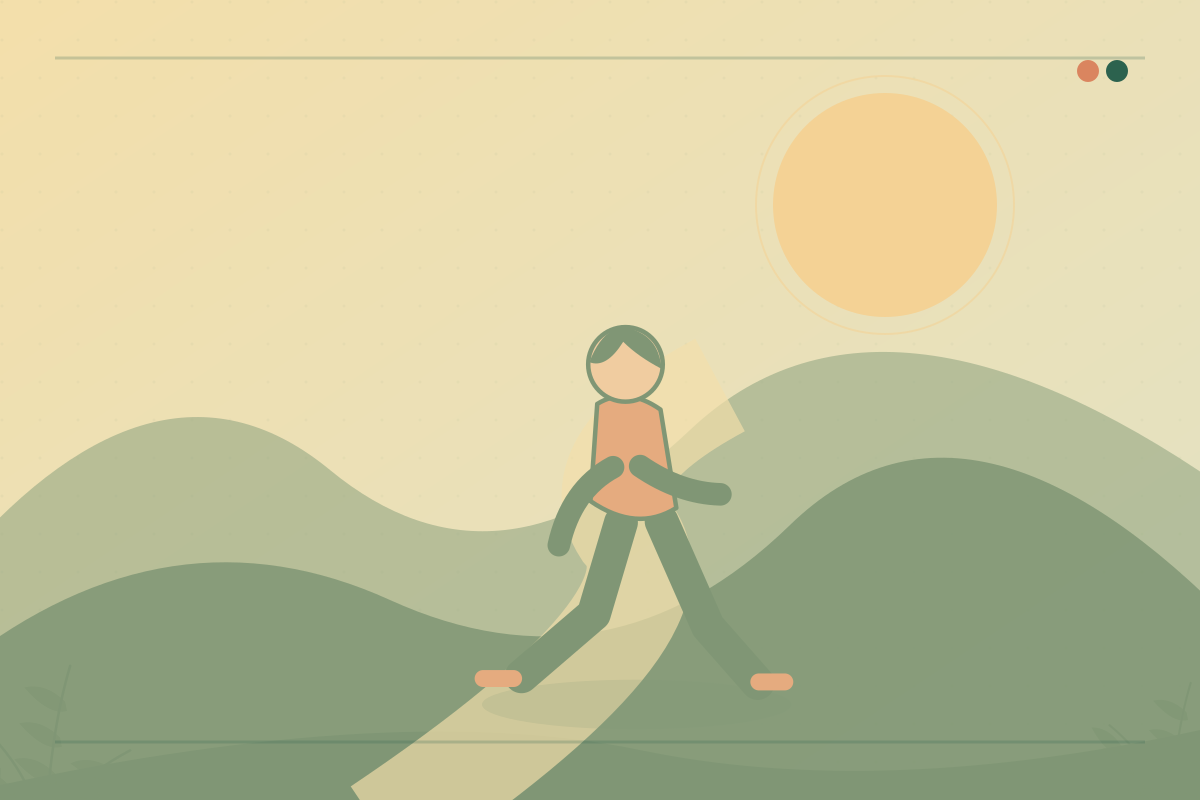
A low, non-slip step can be useful, but only if it is secure and you feel confident. Step up carefully and return to the floor without rushing. Holding a sturdy rail can help. If you have any concern about balance or the step moving, skip it and try sit-to-stands instead.
Bird-dog: practise coordination
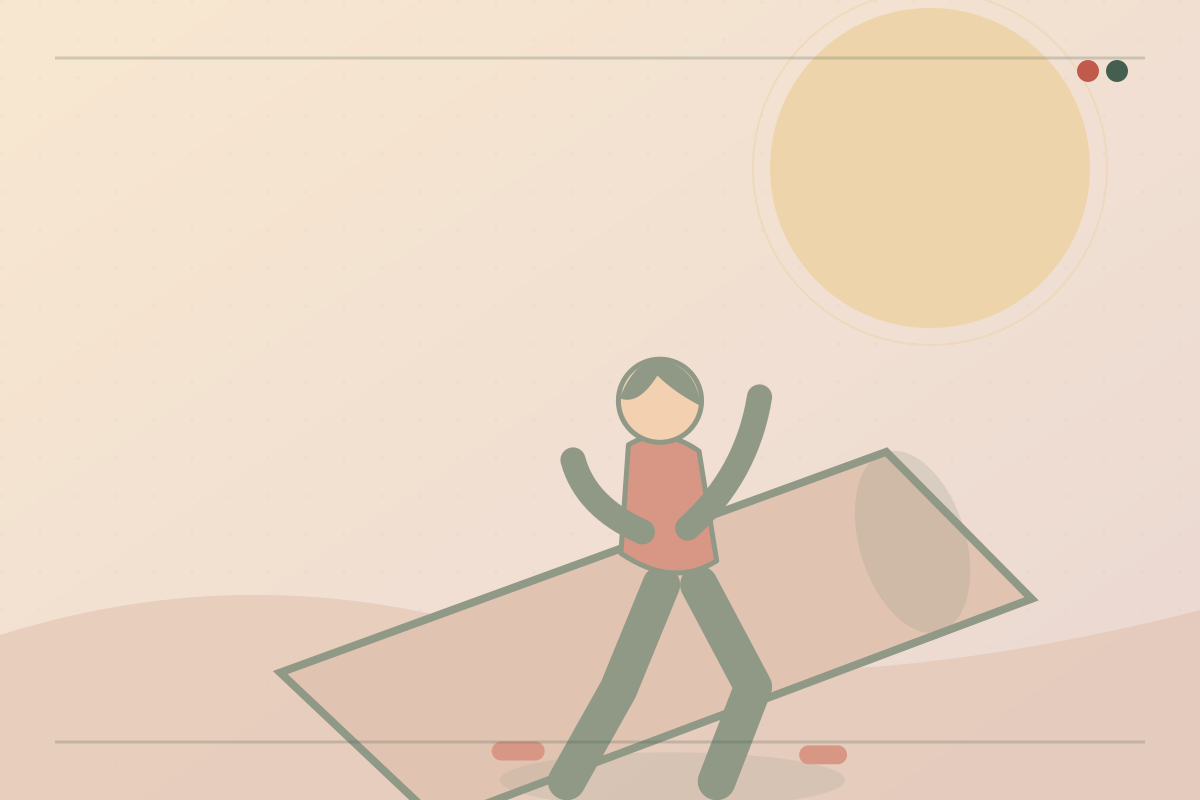
On a comfortable floor mat, if kneeling is suitable for you, begin on hands and knees. Reach one arm a short distance forward or slide one foot back without trying to lift everything at once. Keep the movement small and controlled. You can also practise a standing variation with one hand supported on a bench.
Put the moves together thoughtfully
Pick two or three that feel good and try one short, unhurried round. Rest generously between movements and give yourself space to learn. If a variation is uncomfortable or unfamiliar, ask a qualified trainer, physiotherapist or exercise physiologist to show you a safer option. Better technique is worth more than a long checklist.